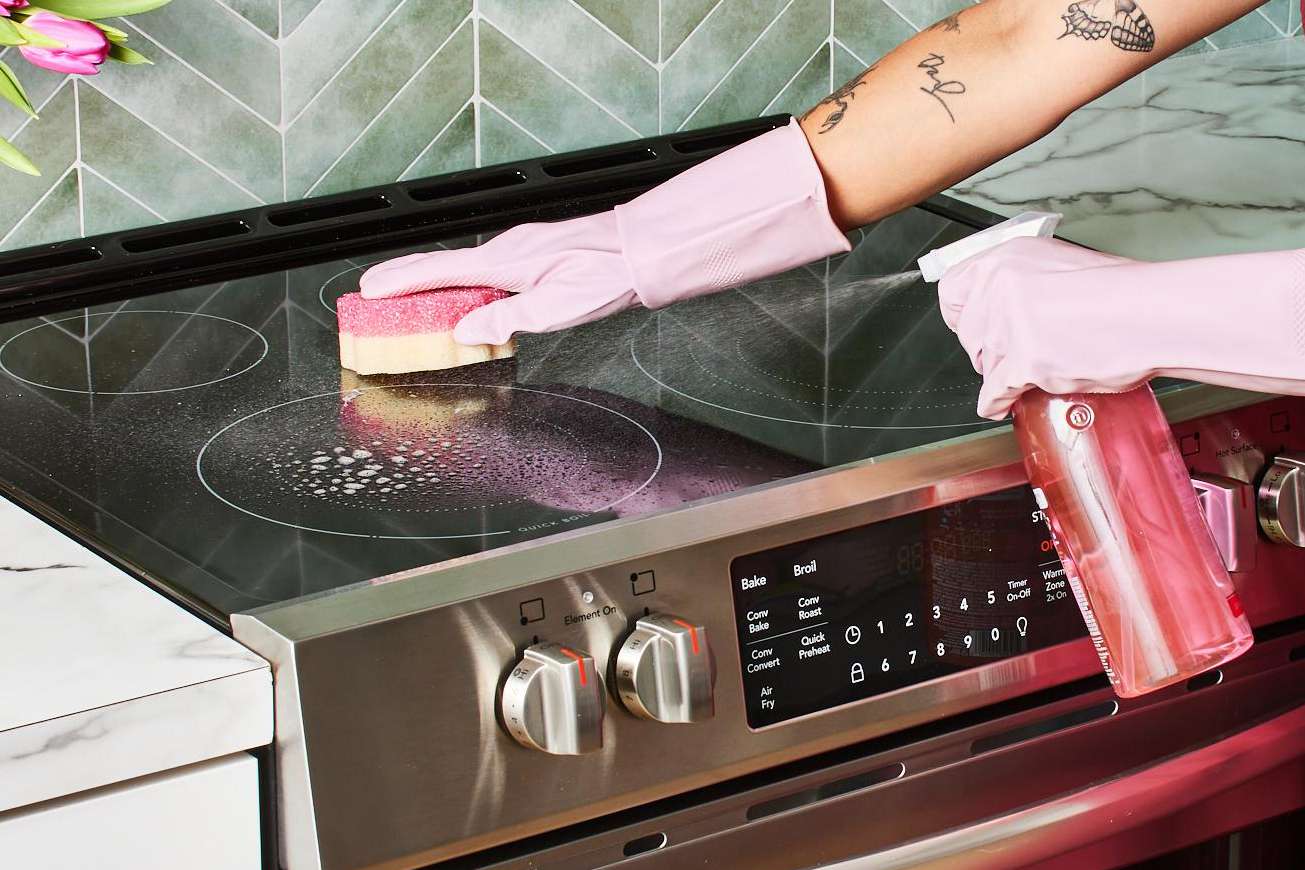
A sparkling clean oven isn't just a point of pride; it's essential for a functional, fresh-smelling kitchen and perfectly cooked meals. Unfortunately, oven buildup is an unavoidable reality for anyone who enjoys cooking. Every time you roast a chicken, broil vegetables, or bake a casserole, tiny splatters of grease, oil, and food bits escape and land on the oven's interior surfaces. Over time, these seemingly insignificant particles harden into tough, stubborn stains that can diminish your oven's efficiency, affect the taste of your food, and even lead to unpleasant odors permeating your home. Understanding how to clean oven surfaces effectively and prevent this accumulation is key to effortless kitchen maintenance.
The good news is that tackling oven grime doesn't always have to involve harsh chemicals or endless scrubbing. By understanding the causes of buildup and implementing routine cleaning strategies, you can keep your oven looking pristine with minimal effort. This guide will walk you through natural, highly effective methods for keeping your oven spotless, emphasizing prevention and gentle cleaning techniques that avoid the need for intense scrubbing.
Why Oven Buildup Is Inevitable (and What to Do About It)
The primary culprits behind a dirty oven are grease, oils, and food particles that splatter or drip during cooking. As food heats up, fats render and liquids bubble, creating a fine mist of debris that coats the oven walls, racks, and door. Robin Murphy, Chief Cleaning Officer at Maid Brigade White Plains, explains that methods like broiling and roasting are particularly prone to creating more buildup. The high heat involved in these cooking techniques causes oils and fats to break down and aerosolize more readily, scattering microscopic particles that then bake onto surfaces, hardening into tough, carbonized stains.
Beyond the aesthetic issue, a dirty oven can have several drawbacks:
- Unpleasant Odors: Burnt food residue can emit foul smells that seep into your home and cling to your freshly cooked dishes.
- Altered Food Taste: Smoke from burning residue can impart an undesirable flavor to your food.
- Reduced Efficiency: A thick layer of grime can insulate heating elements, making your oven work harder and consume more energy to reach and maintain temperature.
- Potential Fire Hazard: Excessive grease buildup can be a fire risk, especially at high temperatures.
The key to avoiding these issues lies not just in deep cleaning, but in consistent, routine care. Marla Mock, President of Molly Maid, suggests a regimen of deep cleaning your oven at least four times a year and spot cleaning monthly, in addition to addressing spills as they happen. This proactive approach ensures you never reach the point where buildup feels overwhelming.
Effortless Cleaning: The Vinegar Steam Method for Routine Care
For those times when your oven just needs a refresh – dealing with light grease and fresh splatters rather than heavy, baked-on grime – the vinegar steam method is a true game-changer. This technique is perfect for routine maintenance and can significantly reduce the frequency of more intensive cleanings. It’s also incredibly simple and harnesses the power of natural ingredients to loosen residue without any harsh chemicals.
Here’s how to clean oven interiors with the vinegar steam method:
- Preheat Your Oven: Set your oven to approximately 300 degrees Fahrenheit (around 150 degrees Celsius). This initial heat helps to prepare the surfaces for the steam.
- Prepare Your Solution: Fill an oven-safe bowl or dish with one to two cups of white vinegar. For an added boost and a pleasant aroma, you can include a few lemon slices or a drop of dish soap, which acts as a powerful degreaser. Place this bowl on the middle oven rack.
- Generate Steam: Close the oven door and allow the vinegar solution to heat and steam for about 30 minutes. The hot steam will work its magic, penetrating and loosening grease and residue on the oven walls, door, and racks. The acidic nature of the vinegar also helps to break down tough deposits.
- Cool and Wipe: After 30 minutes, carefully open the oven door (watch out for escaping steam!) and turn the oven off. Allow it to cool down to a safe temperature before proceeding. Once cool enough to touch, use a damp cloth or sponge to wipe down the inside of the oven. For any slightly more stubborn areas, a sprinkle of baking soda or a dab of all-purpose cleaner on your cloth can provide extra abrasive power.
This method is fantastic for preventing grease from accumulating and hardening. To learn more about this and other natural methods, check out our guide on Unlock a Sparkling Oven: Vinegar Steam & Baking Soda Secrets.
Tackling Moderate Grime: The Baking Soda and Vinegar Paste
When your oven has accumulated a bit more than just light splatters but isn't yet in a state of extreme neglect, a combination of baking soda and vinegar offers a powerful, non-toxic solution. This method requires a little more time due to the paste's sitting period, but it's incredibly effective at loosening grime that might otherwise require strenuous scrubbing. As Robin Murphy advises, this approach is best for moderate buildup rather than deeply entrenched, years-old stains.
Follow these steps to effectively utilize baking soda and vinegar for a cleaner oven:
- Create the Paste: In a small bowl, combine about half a cup of baking soda with a few tablespoons of water. Mix until you form a thick, spreadable paste. You might need to adjust the water slightly to achieve the right consistency – it should be like thick toothpaste, not runny.
- Apply the Paste: Ensure your oven is completely cool. Using gloves, spread the baking soda paste generously over the inside surfaces of your oven, avoiding the heating elements and fan openings. Pay extra attention to areas with visible buildup, applying a thicker layer there. Don't forget the oven door and glass!
- Let it Sit: This is a crucial step for the baking soda to work its magic. Allow the paste to sit for several hours, ideally overnight (8-12 hours). The baking soda will penetrate and break down the baked-on grease and food residue during this time.
- Activate with Vinegar: Once the sitting time is up, grab a spray bottle filled with white vinegar. Lightly spray the vinegar over the dried baking soda paste. You'll observe a satisfying fizzing reaction – this is the baking soda (a base) reacting with the vinegar (an acid), which creates a gentle abrasive action that helps to lift and break down stubborn grime.
- Scrub and Wipe Clean: After the fizzing subsides, take a damp cloth or sponge and begin to wipe away the loosened residue. For particularly stubborn spots, you might need a non-abrasive scrubber or a plastic scraper to gently lift the softened grime. Continue wiping with a clean, damp cloth until all the baking soda residue and loosened dirt are gone, leaving your oven interior sparkling.
This method demonstrates how to clean oven interiors without harsh fumes or chemicals. For more natural DIY cleaning recipes, explore our article on Clean Your Oven Without Scrubbing: Top Natural DIY Methods.
Beyond Cleaning: Proactive Measures for a Continuously Clean Oven
While the vinegar steam and baking soda paste methods are incredibly effective, the ultimate secret to maintaining a consistently clean oven lies in prevention and routine vigilance. By integrating a few simple habits into your cooking routine, you can drastically reduce the need for intensive cleaning sessions and extend the life of your oven.
- Wipe Spills Immediately (When Cool): The golden rule of oven cleaning is to tackle spills as soon as they happen, once the oven has completely cooled. Fresh spills are much easier to remove than baked-on ones. Keep a damp cloth handy and give the interior a quick swipe after major cooking sessions.
- Use Oven Liners or Baking Sheets: Investing in reusable silicone oven liners or simply placing a baking sheet on the bottom rack can catch drips and splatters before they reach the oven floor. These liners are easily removable and washable, saving you significant cleaning time.
- Cover Food When Possible: When roasting or baking items prone to splattering (like sauces, casseroles, or meats with high fat content), use an oven-safe lid, aluminum foil, or a baking bag. This contains the mess within the dish, preventing it from coating your oven's interior.
- Regular Spot Checks: A quick visual inspection after each use can help you identify and address small splatters before they become significant problems. A minute or two of immediate attention can save you hours later on.
- Consistent Maintenance Schedule: As Marla Mock from Molly Maid suggests, aiming for a deep clean quarterly and a spot clean monthly provides a solid framework. Adjust this frequency based on your cooking habits; if you're a daily baker or avid roaster, you might need to increase your routine maintenance.
Adopting these preventative measures and knowing how to clean oven interiors using natural, non-scrubbing methods will transform your approach to kitchen hygiene. You'll enjoy a cleaner, fresher kitchen, more delicious food, and an oven that performs at its best for years to come.
Maintaining a clean oven doesn't have to be a dreaded chore. By understanding why buildup occurs and employing smart, routine care strategies using natural ingredients like vinegar and baking soda, you can effectively prevent tough stains and keep your oven in top condition. Embracing these methods means less scrubbing, fewer harsh chemicals, and a consistently sparkling kitchen appliance ready for your next culinary adventure. Make routine oven care a habit, and you'll reap the rewards of a cleaner home and more enjoyable cooking experience.
